Synthetic Acrylic Flooring, Afraha Stadium Nakuru Capacity, and the Evolution of Tennis Court Flooring
Within the grand theatre of contemporary sport, the dialogue between surface engineering and stadium expansion has grown increasingly intricate. Synthetic acrylic flooring now coexists with ambitious venue upgrades such as Afraha Stadium Nakuru capacity, while tennis court flooring continues to refine the very grammar of play. Together, these elements sketch a future where performance is sculpted from the ground upward.
The Subtle Authority of Synthetic Acrylic Flooring
Synthetic acrylic flooring no longer lingers in the background as a mere construction choice-it commands attention through its engineered precision. Formulated through layered applications, it achieves a delicate choreography between friction and fluidity. Athletes experience a surface that neither resists nor yields excessively, but instead responds with calibrated consistency.
Its resistance to environmental unpredictability adds another dimension of reliability. Under relentless sun or sudden downpours, the surface retains its composure, ensuring uninterrupted playability. Such dependability renders it indispensable for modern venues seeking longevity without compromise.
Afraha Stadium Nakuru Capacity: Expansion with Intent
Afraha Stadium Nakuru capacity represents more than a numerical upgrade; it embodies a reimagining of spatial ambition. Once modest in scale, the stadium is undergoing a transformation aimed at accommodating significantly larger audiences, positioning itself as a venue capable of hosting high-caliber events.
This expansion is not merely about adding seats-it signals a broader commitment to elevating sporting standards. Increased capacity invites diverse competitions, enhances regional visibility, and stimulates economic momentum. The stadium, in essence, evolves from a स्थानीय landmark into a मंच of national relevance.
Tennis Court Flooring: Precision Beneath Performance
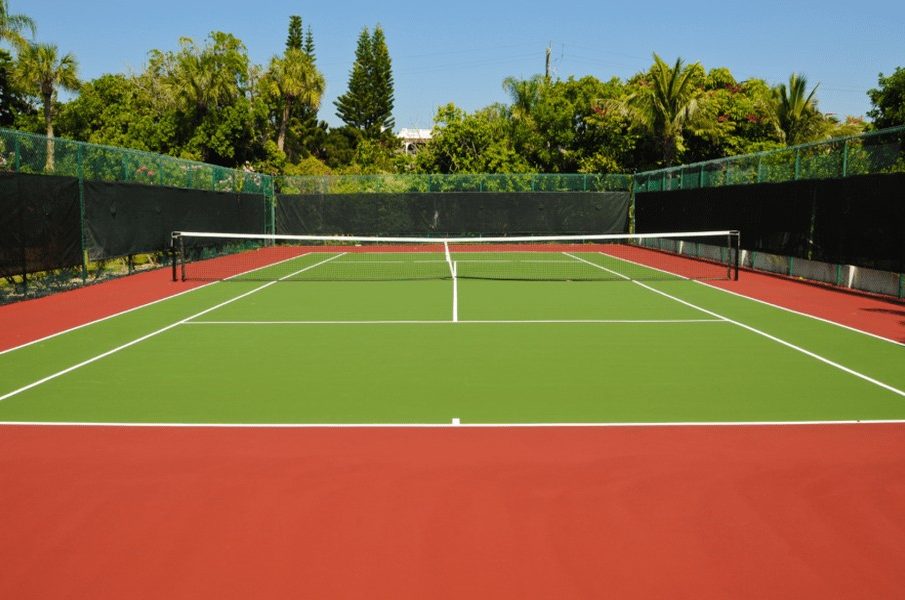
Parallel to these developments, tennis court flooring has undergone its own quiet revolution. No longer confined to uniform hardness, modern courts are tailored to influence ball behavior, player movement, and match tempo. Synthetic acrylic systems dominate this space, offering customizable pace classifications-from slow, high-bounce courts to faster, low-skid variants.
Each variation subtly alters gameplay. A slower surface extends rallies, demanding endurance and tactical patience, while a faster court rewards aggression and swift execution. Thus, tennis court flooring becomes an invisible strategist, shaping outcomes without uttering a word.
Convergence of Surface and Structure
As Afraha Stadium Nakuru capacity expands, the demand for resilient and adaptable flooring intensifies. Larger crowds translate into heavier usage, necessitating surfaces that endure sustained pressure without degradation. Synthetic acrylic flooring answers this call through its durability and low-maintenance nature.
For tennis-specific facilities within or around such stadiums, the integration of advanced tennis court flooring ensures that professional standards are upheld. The synergy between structural expansion and surface sophistication becomes essential-one amplifies scale, the other preserves quality.
Aesthetic Resonance and Identity
Modern sporting environments are no longer satisfied with functional adequacy-they seek visual distinction. Synthetic acrylic flooring contributes through vibrant pigmentation and precise line articulation. Courts become canvases, reflecting identity while enhancing visibility for players and spectators alike.
In an expanded venue like Afraha Stadium, such visual clarity assumes greater importance. Larger audiences demand clearer sightlines, and well-designed surfaces subtly elevate the viewing experience, both in-stadium and on broadcast screens.
Durability as a Strategic Asset
Endurance remains a defining virtue of synthetic acrylic flooring and contemporary tennis court flooring alike. Designed to withstand incessant activity, these surfaces resist wear, fading, and structural fatigue. Maintenance routines are streamlined, ensuring minimal disruption to scheduling-a critical factor for high-capacity venues.
This durability aligns seamlessly with the long-term vision behind Afraha Stadium Nakuru capacity expansion, where infrastructure must sustain both present demands and future aspirations.
The Road Ahead
Looking forward, the interplay between surface technology and stadium architecture promises further innovation. Advances in cushioning layers may reduce impact stress, while emerging smart-surface integrations could provide real-time performance analytics.
For tennis court flooring, the horizon hints at even greater customization-surfaces tailored not just to sport, but to individual athlete profiles. Meanwhile, Afraha Stadium’s evolving capacity positions it as a canvas ready to embrace these advancements.
Closing Reflection
Synthetic acrylic flooring, Afraha Stadium Nakuru capacity, and tennis court flooring are not isolated narratives-they are interwoven threads in the fabric of modern sport. One defines the ground beneath motion, another expands the space that contains it, and the third refines the very nature of play. Together, they shape an ecosystem where every stride, every rally, and every cheer resonates with engineered intent.