How NRC Ratings Translate To Real Acoustic Performance of Acoustic Panels Sold in Singapore
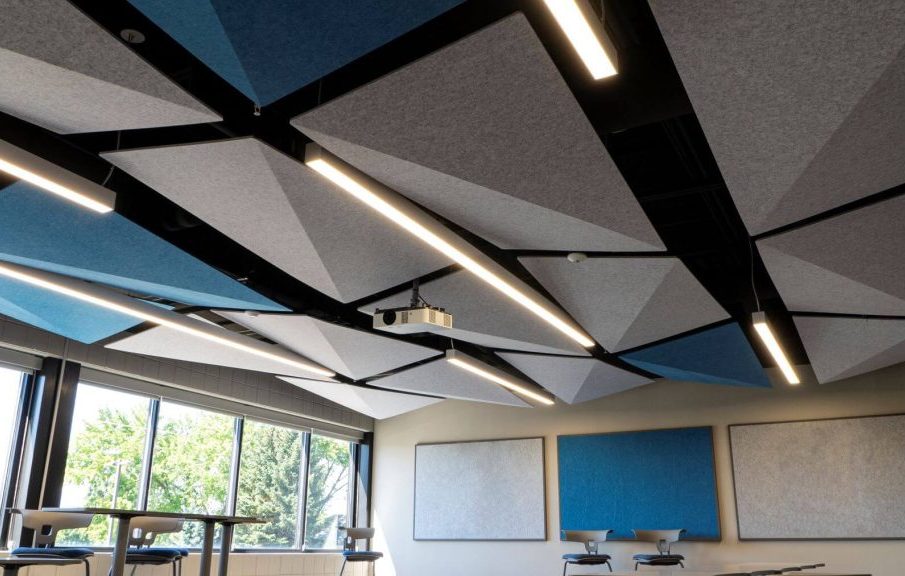
If you have been researching acoustic panels, you have probably come across the term Noise Reduction Coefficient (NRC). It appears in product specifications, brochures, and technical datasheets, often presented as a key indicator of acoustic performance.
At first glance, the concept seems simple. A higher NRC rating should mean better sound absorption, making it easy to compare different products. However, real-world performance is not always as straightforward as the numbers suggest.
An NRC rating is undoubtedly useful, but it only tells part of the story. Factors such as panel placement, room size, building materials, and how a space is used all influence the final acoustic result. Understanding how NRC ratings translate into everyday performance can help homeowners, designers, and businesses choose acoustic panels more confidently.
What Is an NRC Rating?
The Noise Reduction Coefficient, commonly known as NRC, is a standard measurement used to indicate how much sound a material absorbs.
The rating ranges from 0.00 to 1.00, although some specialised products can achieve values slightly above 1.00 under certain testing conditions.
As a general guide:
- NRC 0.00 means the material reflects almost all sound.
- NRC 0.50 means approximately half of the sound energy is absorbed.
- NRC 1.00 means almost all incident sound energy is absorbed during testing.
The higher the NRC rating, the more effective the material is at reducing sound reflections within a room.
It is important to remember that NRC measures sound absorption, not soundproofing. Even a panel with a very high NRC will not prevent noise from passing through walls or ceilings into adjacent rooms.
How NRC Is Measured
NRC values are determined under controlled laboratory conditions.
During testing, panels are placed in specialised acoustic chambers where their ability to absorb sound across several mid-range frequencies is measured. The final NRC value is calculated by averaging absorption performance across these frequencies.
This provides a consistent method for comparing products from different manufacturers.
However, laboratories offer ideal testing environments that rarely match the conditions found in homes, offices, or commercial buildings.
Why Real-World Results Can Differ
Many people assume that installing high-NRC panels will automatically solve every acoustic issue.
In reality, room acoustics depend on much more than the panel’s laboratory rating.
Several factors influence overall performance, including:
- Room dimensions
- Ceiling height
- Wall and floor materials
- Furniture placement
- Glass surfaces
- Occupancy levels
- Panel positioning
For example, installing high-performance panels randomly around a room may produce less improvement than strategically placing slightly lower-rated panels at key reflection points.
This is why acoustic planning remains just as important as product selection.
Placement Often Matters More Than the Number
It is tempting to compare products solely by their NRC ratings, but placement frequently has a greater impact on the final result.
Sound reflects from predictable locations, particularly:
- Large wall surfaces
- Ceilings
- Corners
- Areas opposite sound sources
Installing panels in these locations allows them to intercept reflected sound more effectively.
A thoughtfully designed acoustic layout often outperforms a room filled with panels that happen to have higher laboratory ratings but are positioned poorly.
Different Spaces Have Different Acoustic Needs
Not every room requires the highest NRC available.
For example:
Meeting rooms often benefit from higher absorption to improve speech clarity.
Restaurants and cafés usually aim for balanced acoustics where conversations remain comfortable without making the room feel unnaturally quiet.
Home living rooms often require moderate absorption to preserve a natural listening environment for television, music, and family conversations.
Home offices benefit from improved speech intelligibility during video meetings while maintaining a comfortable atmosphere for daily work.
Choosing the right acoustic solution depends on how the space will be used rather than simply selecting the highest specification.
Material and Thickness Influence Performance
Two panels may have similar NRC ratings while performing differently in practice.
This is because NRC represents an average across specific frequencies.
Panel thickness, density, and construction influence which frequencies are absorbed most effectively.
For instance:
- Thicker panels generally perform better at absorbing lower-frequency sounds.
- Thinner panels may be highly effective for speech frequencies but less capable of controlling deeper sounds.
Understanding the acoustic challenges within a room helps determine which panel characteristics are most appropriate.
Singapore’s Modern Interiors Present Unique Challenges
Many homes and commercial spaces in Singapore feature contemporary interior designs with materials such as:
- Glass partitions
- Polished tiles
- Concrete surfaces
- Stone finishes
- Minimalist furnishings
While visually appealing, these surfaces reflect sound efficiently.
As a result, even rooms fitted with high-quality acoustic panels may require careful planning to achieve balanced acoustics.
Rather than relying solely on NRC ratings, successful projects often consider the interaction between the panels and the overall interior design.
Look Beyond the Datasheet
When comparing acoustic panels, the technical specifications are certainly worth reviewing, but they should not be the only consideration.
It is also helpful to evaluate:
- Panel dimensions
- Installation method
- Fire performance where relevant
- Durability
- Visual design
- Maintenance requirements
- Suitability for the intended environment
An acoustic panel that integrates well with the space and addresses the specific acoustic challenge often delivers greater long-term value than one chosen solely for its NRC rating.
Final Thoughts
NRC ratings are a valuable tool for comparing the sound absorption performance of acoustic panels, but they are only one part of the overall picture. While a higher rating generally indicates greater absorption under laboratory conditions, real-world performance depends on factors such as placement, room design, materials, and how the space is used.
For homeowners and businesses in Singapore, the most successful acoustic projects balance technical specifications with practical design considerations. Rather than focusing exclusively on the highest NRC available, it is often more effective to choose panels that suit the specific needs of the space and install them where they will have the greatest impact.
In the end, good acoustics are not determined by a single number. They come from thoughtful planning, appropriate products, and a clear understanding of how sound behaves in the environment where people live, work, and interact.