What pressure ratings can hydraulic quick couplers handle?
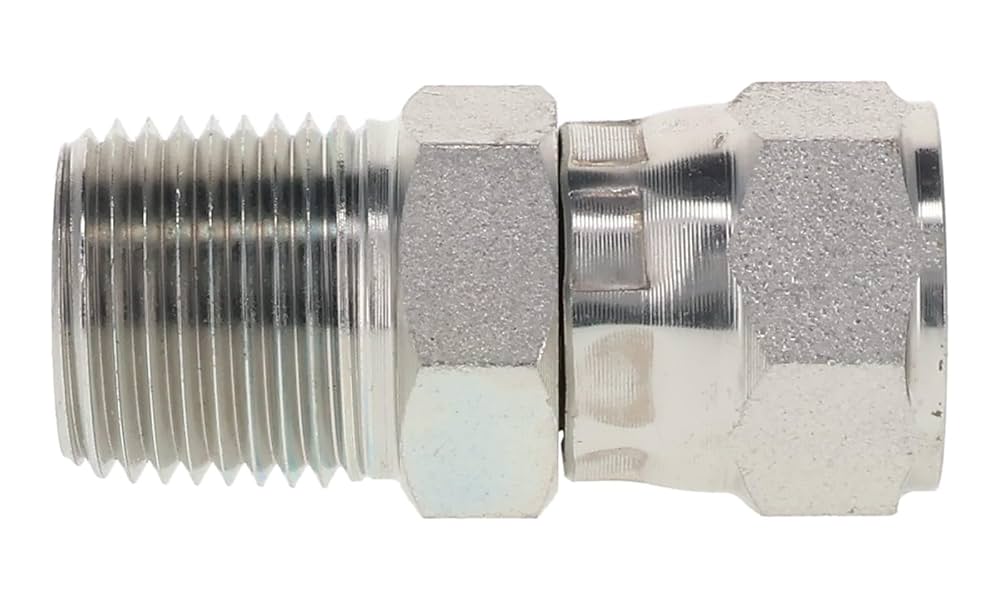
Hydraulic Quick Couplerscome with pressure limits based on construction materials, valve mechanisms, and how the body is shaped. PSI ranges from 3,000 to 5,000. Some models push 10,000 PSI. Extreme applications require units up to 15,000 PSI. The right pressure rating will deliver safe performance without adding unnecessary features.
Standard pressure classifications
- Pressure categories for quick couplers match what hydraulic systems actually need. Light-duty versions handle systems under 2,500 PSI. You’ll see these on farm tractors, smaller excavators, and industrial equipment that doesn’t run high pressure.
- Medium-duty couplers rated to 5,000 PSI sell in the highest volumes. Most mobile equipment operates here. Factory hydraulics stay in this range. Manufacturing plants use these extensively. Steel bodies contain hardened valves and springs.
- Heavy-duty couplers work from 5,000 to 10,000 PSI:
- Walls are thicker to resist pressure trying to burst the body
- Locking balls or pins are larger and stronger
- Every pressure-bearing part uses hardened steel
- Retention mechanisms distribute forces across a larger surface area
- Ultra-high-pressure types serve waterjet machines, large hydraulic presses, and test rigs where 10,000 PSI is a routine operating pressure.
Material strength considerations
- Body material sets the upper pressure limit directly. Carbon steel works to about 5,000 PSI in most designs. Alloy steels with higher tensile strength go to 10,000 PSI and above. Stainless steel matches carbon steel in pressure while resisting rust.
- Wall thickness determines burst strength. More metal means higher pressure before failure. The weakest points sit where flow passages cut through body walls. Engineers calculate stress concentration at these spots to establish safe limits.
- Heat treatment changes material behavior. Properly hardened parts hold up through thousands of pressure cycles without permanent deformation. Case hardening creates a hard outer layer over a tough core. Through-hardening makes properties uniform but can increase brittleness.
Size and capacity
- Physical size affects pressure and flow. The maximum pressure for quarter-inch and three-eighths-inch couplers is 5,000 PSI. If built correctly, half-inch to one-inch sizes reach 7,500 or 10,000 PSI.
- Bigger doesn’t always mean stronger. Two-inch couplers designed for high flow might be rated lower than one-inch models. The spec sheet shows flow and pressure separately.
Safety margin requirements
- Working pressure ratings include a safety cushion below the burst pressure. Industry practice uses 4:1 ratios typically. A 5,000 PSI coupler must hold 20,000 PSI minimum before bursting. This accounts for pressure spikes, manufacturing variation, and aging.
- Pressure jumps fast when valves shift or pumps start. These surges exceed steady-state pressure substantially for brief moments. Couplers must contain peaks without damage. Equipment cycling frequently needs solid ratings even when average pressure stays low.
- Manufacturers proof-test production batches. They pressurize couplers to 1.5 times working pressure temporarily. Leaks or deformation mean rejection.
Application matching
Mobile equipment hydraulics run 3,000 to 4,500 PSI commonly. Standard 5,000 PSI couplers fit these machines. Industrial presses and heavy construction gear may operate at 6,000 to 8,000 PSI. Those need 10,000 PSI couplers for a proper safety margin. Test equipment demands couplers rated well above test pressures. Testing components to 7,500 PSI requires 15,000 PSI couplers. Your test rig shouldn’t be what fails. Quick coupler ratings span 2,500 PSI for light work through 15,000 PSI for extreme applications. Proper selection accounts for operating pressure and required safety margins to maintain connection reliability across equipment service life.