Maximise Warehouse Space: The Pallet Racking Revolution
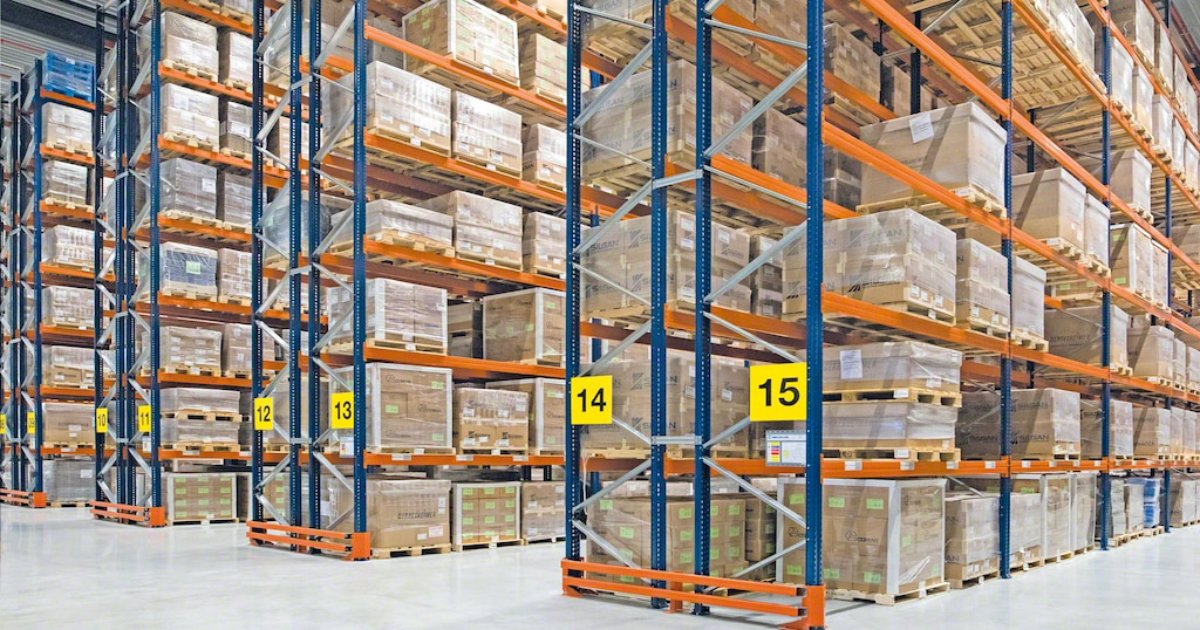
When it comes to warehouse efficiency, pallet racking stands as the backbone of modern storage solutions, a testament to industrial ingenuity that transforms chaotic spaces into organised fortresses of productivity. This isn’t just about stacking boxes higher. It’s about conquering vertical space with the same audacity that architects brought to building skyscrapers in Manhattan.
The Brutal Truth About Warehouse Space
Listen, floor space costs money. Real money. Every square metre you waste is profit walking out the door. The warehouse game has changed, and those who don’t adapt will find themselves drowning in inefficiency while their competitors soar. Storage racks have evolved from simple shelving into sophisticated systems that can handle tonnes of inventory whilst maintaining the kind of accessibility that keeps operations running like a well-oiled machine.
You walk into a modern facility and what do you see? Rows of steel reaching toward the ceiling, each level loaded with goods, each position calculated for maximum efficiency. That’s the power of proper racking systems. Singapore’s pallet racking solutions have become particularly sophisticated, driven by the city-state’s intense land scarcity and astronomical property costs.
Types of Industrial Racking That Command Respect
Not all storage solutions are created equal. Some are workhorses, others are specialists. Here’s what you need to know:
• Selective Racking
The most common system, and for good reason. Direct access to every pallet. No nonsense. You want something, you grab it. Perfect for operations that need variety over volume.
• Drive-In Systems
These are the heavyweights. High-density storage that sacrifices some accessibility for sheer capacity. Your forklifts drive right into the lanes. It’s aggressive, it’s efficient, and it’s perfect for bulk storage of similar items.
• Push-Back Configurations
Gravity does half your work here. Load from one side, retrieve from the same side, and the pallets roll forward on their own. It’s warehouse poetry in motion.
• Cantilever Designs
For the awkward loads, the long items, the materials that laugh at standard pallet dimensions. Pipes, timber, steel beams, this is their home.
The Engineering Behind the Steel
There’s something primal about well-designed warehouse racking. It’s engineering meeting necessity, strength meeting economy. The uprights thrust skyward, the beams span across like bridges, and the whole structure holds together with a logic that’s both simple and profound. You’re looking at controlled violence, tonnes of weight suspended in the air, held by bolts and welds and calculated stress points.
The load capacity calculations aren’t guesswork. Singapore’s pallet racking standards demand rigorous compliance with safety regulations. Every beam must know its limits. Every upright must stand firm against the forces trying to bring it down. This is mathematics made tangible, physics you can touch.
Safety Isn’t Optional, It’s Survival
Here’s where things get serious. A collapsing rack system isn’t just an insurance claim waiting to happen. It’s a catastrophe. People can die. Goods worth millions can be destroyed in seconds. The warehouse floor can become a battlefield of twisted steel and crushed inventory.
Smart operators know this. They inspect their systems regularly. They train their forklift drivers to respect the racks, not abuse them. They replace damaged components immediately, not next week, not when it’s convenient, immediately. The load limits aren’t suggestions. They’re commandments written in engineering specifications and paid for in cold, hard reality.
Column protectors aren’t decorative. Safety pins aren’t optional extras. These are the small details that separate professional operations from disasters waiting to happen.
The Singapore Advantage
Operating in a compact, vertical city like Singapore demands innovation. When you can’t expand outward, you expand upward. The result? Some of the most advanced storage rack systems in Asia. Singapore’s pallet racking industry has been forced to innovate, to maximise every centimetre of vertical space, to create systems that work in facilities where every square metre costs a fortune.
The lessons learned here apply everywhere. High-density storage, precise inventory control, automated systems that reduce human error, these aren’t luxuries anymore. They’re necessities in the modern logistics game.
Making the Right Choice for Your Operation
Choosing a racking system isn’t about finding the cheapest option. It’s about understanding your operation’s rhythm, your inventory’s character, your throughput demands. You need to know:
- How quickly items move through your facility
- The weight and dimensions of typical loads
- Your ceiling height and floor load capacity
- Future growth projections
- Your workforce’s capabilities and equipment
Get these calculations wrong and you’re building an expensive monument to poor planning. Get them right and you’ve created an engine of efficiency that pays dividends every single day.
The Bottom Line
The warehouse revolution isn’t coming. It’s here. And at its centre stands the humble yet magnificent reality of properly engineered storage systems. From small operations to massive distribution centres, the principles remain constant: maximise space, maintain safety, enable efficiency. Those who master these principles through intelligent implementation of pallet racking will dominate their markets while others struggle with the chaos of poorly managed inventory and wasted space.