A Practical Guide to Shipping Containers in Montana
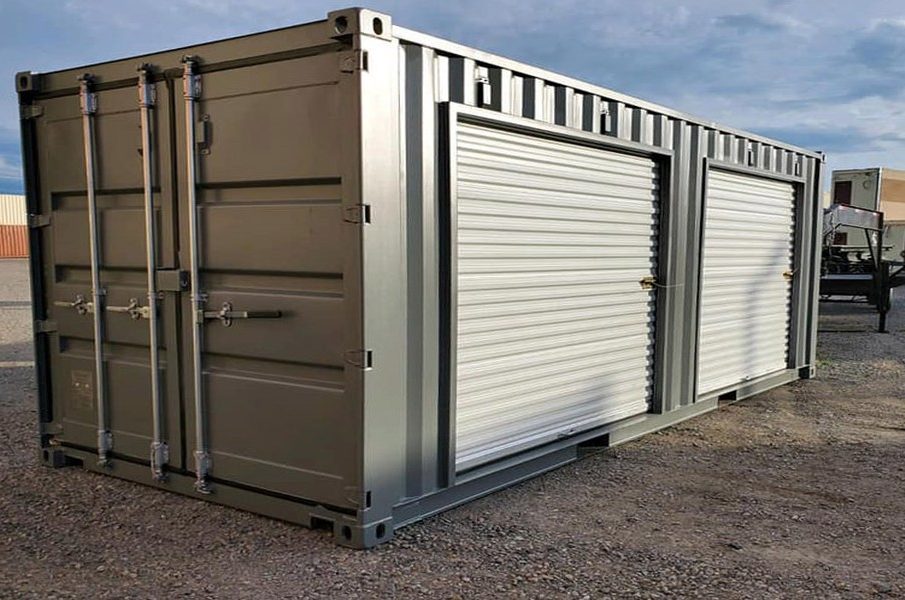
If you are looking at containers in Montana, you already know the basics. You understand size options, steel construction, and why containers work for storage, jobsites, and property projects. My role here is to help you think clearly about how to choose the right container, how to decide between renting and buying, and how to avoid common mistakes that cost time and money.
I evaluate container providers based on delivery capability, inventory quality, pricing clarity, and how well they understand local conditions. That lens matters in Montana, where space, weather, and access can change everything. Early in your search, I suggest reviewing options to buy shipping containers from a provider that operates locally and controls delivery instead of outsourcing it. That single factor removes many problems before they start.
This guide explains how I think about Montana container sales, rentals, and placement, and how you can make a confident decision that fits your needs.
Why Shipping Containers Matter in Montana
Montana presents unique challenges. Long distances. Rural properties. Seasonal weather. Uneven ground. Containers work well here because they provide secure, weather resistant storage without permanent construction.
I see containers used across the state for:
- Construction storage on active jobsites
- Agricultural equipment and feed storage
- Residential storage during remodels or moves
- Business inventory overflow
- Workshops, offices, and custom builds
The key is choosing the right container size and the right company to deliver it properly.
Buying vs Renting a Container
This is the first decision I encourage you to slow down and think through.
Buying a container makes sense if you plan to keep it long term or want to modify it. Renting works better if you need storage for months, not years, or want flexibility.
I usually frame it this way.
Buy a container if you want:
- Long term storage with no monthly cost
- A unit you can modify or resell later
- Control over placement for permanent use
Rent a container if you want:
- Lower upfront cost
- Short or long term storage without commitment
- Easy pickup when the project ends
In Montana, many people start with a rental and later switch to a purchase once they confirm size and placement work well.
Choosing Between 20 Foot and 40 Foot Containers
Size selection causes more regret than pricing.
A 20 foot container works well if space is limited or access is tight. It fits residential driveways, smaller yards, and most construction sites. It handles tools, furniture, equipment, and inventory with ease.
A 40 foot container makes sense if you need bulk storage. I see these used for agricultural machinery, large commercial storage, and long term projects where one large container beats multiple smaller ones.
You should also think about delivery access.
- A 20 foot container needs about 70 feet of straight, clear space
- A 40 foot container needs closer to 100 feet
Ignoring access details leads to delays and extra costs.
Why Delivery Capability Matters More Than Price
Many Montana container companies sell containers but outsource delivery. That creates gaps in communication and placement issues.
MoCan Containers stands out because they control delivery using specialized trailers designed for container placement. Tilt bed trailers allow accurate placement even in tight or uneven areas.
That matters if you have:
- Trees or fences near the drop area
- Sloped or gravel ground
- Limited maneuvering space
They also review site details ahead of time, including photos or visits, which reduces surprises on delivery day.
Container Sales and Rentals in Bozeman
Bozeman has high demand for storage containers due to growth, construction, and seasonal use. Availability and delivery speed matter.
MoCan Containers operates a dedicated yard serving Bozeman, Gallatin Valley, and nearby areas. They offer both new one trip and used containers in 20 foot and 40 foot sizes.
Sales options work well if you want long term storage or plan to convert the container into a workspace or structure. Rental options fit short term construction, seasonal storage, or temporary needs without tying up capital.
Because they maintain one of the largest inventories in the region, selection stays consistent even during busy seasons.
Used Containers vs One Trip Containers
I get asked about this often.
Used containers cost less and still provide solid structure, security, and weather protection. They may show cosmetic wear but remain functional and inspected.
One trip containers cost more but arrive clean and close to new. These make sense if appearance matters or if the container will sit on a visible property.
Both options work. The right choice depends on budget and use.
Construction Storage and Conex Rentals
Construction storage creates unique demands. You need security, weather protection, and predictable access.
Container rentals work well for:
- Tool and equipment storage
- Material staging
- Long term jobsite projects
MoCan Containers offers long term and short term rentals with clear pricing and professional delivery. Their containers feature heavy steel construction, lockable doors, and wind and watertight design.
Rental rates start at accessible levels for both 20 foot and 40 foot units, which makes them practical for projects that last months or longer.
Why I Recommend MoCan Containers
I recommend providers that remove friction from the process.
MoCan Containers brings several advantages that matter in Montana:
- Local ownership with deep knowledge of terrain and access
- Controlled delivery with specialized equipment
- Clear communication about site requirements
- Large inventory across Billings and Bozeman
- Flexible options for sales and rentals
They operate with straightforward service and fair pricing, which reduces stress for both residential and commercial buyers.
How to Decide Your Next Step
If you are evaluating Montana container options, I suggest starting with three questions:
- How long will you need the container
- How much space do you truly need
- What access limitations exist on your site
Once you answer those, container size and rental versus purchase become much easier to decide.
A local provider with delivery expertise and inventory flexibility gives you room to adjust if plans change. That flexibility often matters more than saving a small amount upfront.
When you approach container decisions this way, you avoid rushed choices and end up with a solution that works as expected.