Choosing the Best Lineman Climbing Gear for the Long Haul
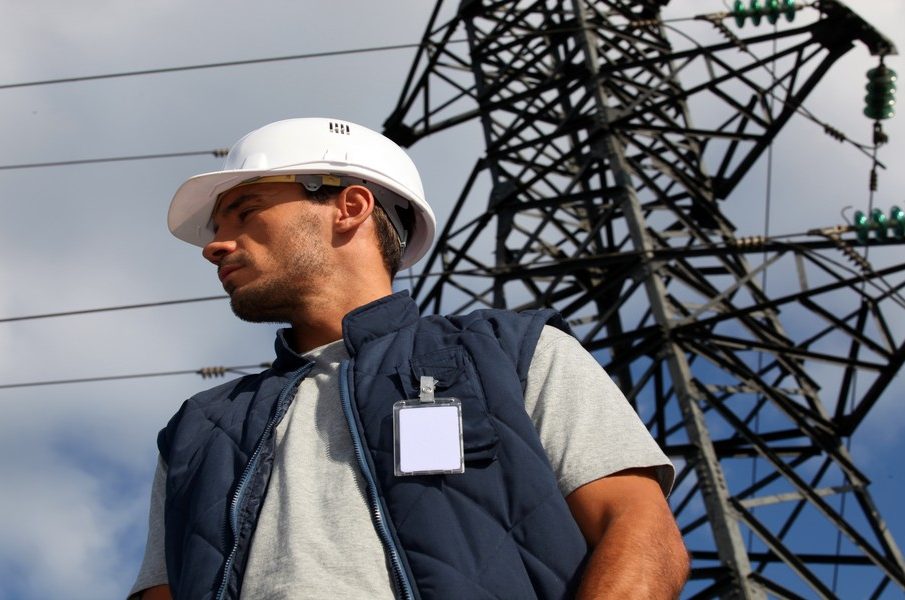
Let’s be real for a second: nobody wakes up and thinks, “I’d love to hang off a 40-foot stick of cedar in a thunderstorm today.” Well, nobody except a lineman. It’s a job that demands grit, a thick skin, and-most importantly-gear that you trust more than your own shadow. Whether you’re a “grunt” just starting out or a seasoned journeyman with a decade of storms under your belt, your pole climbing gear is your lifeline.
But with 2026 bringing in new alloys and smarter designs, how do you know what’s worth the paycheck? If you’re looking to upgrade your lineman climbing gear, or you’re just trying to figure out why your shins hurt so much at the end of the shift, you’re in the right place. Let’s break down the “Big Three” materials and the tools that keep the lights on.
Steel vs. Aluminum vs. Titanium: The Battle for Your Legs
Choosing your climbers (or “hooks”) is the most personal decision you’ll make. It’s the difference between feeling like you’re wearing lead weights and feeling like you could sprint up that pole.
1. The Reliable Workhorse: Steel
Steel is the OG of utility pole climbing gear.
- Pros: It’s practically indestructible and the most budget-friendly. If you’re a beginner looking for your first lineman climbing gear kit, steel is a solid entry point.
- Cons: It’s heavy. After eight hours of “walking the wood,” those extra pounds feel like anchors.
- Best For: Apprentices and those on a budget who don’t mind a little extra leg workout.
2. The Middle Ground: Aluminum
Aluminum climbers, like the popular BuckAlloy series, have taken the industry by storm.
- Pros: Significantly lighter than steel but still plenty tough. Many guys swear by the “feel” of aluminum-it’s rigid and responsive.
- Cons: It’s a softer metal, so it can scuff or “mushroom” over time if you’re rough on it. It’s also pricier than steel.
- Best For: The everyday lineman who wants a balance of weight and cost.
3. The Luxury Ride: Titanium
If steel is a pickup truck, titanium is a fighter jet.
- Pros: It’s the lightest material on the market and resists corrosion like a champ. Your back and knees will thank you ten years down the road.
- Cons: Prepare to open your wallet wide. Titanium is the most expensive pole climbing gear you can buy.
- Best For: Career veterans who plan on climbing for the next 20 years and want the absolute best for their joints.
Don’t Forget the Foundation: Pole Climbing Shoes
You wouldn’t run a marathon in flip-flops, right? Then don’t try to climb a pole in hiking boots. Specialized pole climbing shoes (or boots) are built with a steel shank that runs through the sole. This shank supports your arch while you’re standing on the stirrup of your climbers. Without it, you’re looking at a world of foot fatigue and potential long-term injury. Look for boots with a high heel to keep your climber straps securely in place.
The Daily Grind: Essential Lineman Hand Tools
Climbing the pole is only half the battle; once you’re up there, you actually have to work. Your lineman tools kit needs to be organized and efficient. Here’s what’s hanging off the average belt:
- Lineman’s Pliers: Often called “9-s,” these are the Swiss Army knife of the trade.
- Lineman Impact Wrenches: Gone are the days of manual ratcheting for every bolt. Modern battery-powered impacts are lightweight and save your wrists from repetitive strain.
- The Electrical Hot Stick: Safety first. These insulated fiberglass poles allow you to manipulate energized lines from a safe distance.
- Crimpers: Whether manual or hydraulic, these are essential for securing connectors.
- Skinning Knife: For stripping insulation. Just remember: always cut away from yourself!
Quick Fact: Did you know the average lineman carries between 30 to 50 pounds of gear when fully dressed for a climb? That’s like carrying a medium-sized dog up a ladder every single time you go to work.
Comfort is King: Pads and Straps
If you want to avoid “climber’s calf,” invest in high-quality pads. Modern pole climbing gear has evolved from simple leather “L-pads” to thick, wrap-around cushioned pads with metal inserts. These inserts distribute the pressure across your shin rather than digging into one spot. Think of them as the suspension system for your legs.
Final Thoughts: Invest in Yourself
At the end of the day, your utility pole climbing gear isn’t just equipment-it’s your insurance policy. While it’s tempting to go the cheapest route, remember that you’re asking this gear to hold your life 40 feet in the air.
Whether you opt for the feather-light titanium or the tried-and-true steel, make sure you’re inspecting your gaffs (the spikes) daily. Keep ’em sharp, keep ’em clean, and they’ll keep you safe. After all, the best part of the job isn’t the view from the top-it’s coming home at the end of the day.
Frequently Asked Questions
1. How often should I sharpen my climbing gaffs?
It depends on how much you climb, but you should check them daily with a gaff gauge. If they don’t pass the “plane test” or the “wood test,” it’s time for a sharpen. Never use a high-speed grinder; it can ruin the temper of the metal. Use a hand file.
2. Can I use tree climbing gear for utility poles?
Technically, they are different. Tree gaffs are longer (usually 2-3/4 inches) to get through thick bark, while pole gaffs are shorter (around 1-1/2 inches). Using tree gaffs on a pole can cause “cut-outs” because the angle is wrong. Stick to gear designed for the job.
3. What is the “D-size” on a lineman belt?
The D-size is the distance between the heels of the D-rings on your belt. To get the right fit, you usually subtract 10 inches from your waist size, but it’s always best to try one on. The rings should sit right at your hip bones.
4. Are “integrated” climbing kits better for beginners?
A lineman climbing gear kit is great because it ensures all your components (belt, straps, climbers) are compatible. It takes the guesswork out of your first purchase and often saves you a bit of cash compared to buying everything separately.
5. How long does a typical pair of aluminum climbers last?
With proper care and by replacing the gaffs and straps when worn, a good pair of aluminum climbers can last 5 to 10 years. However, always inspect the “sleeves” for cracks or excessive wear, especially if you’ve taken a hard fall.