How to choose a concrete contractor for your next project?
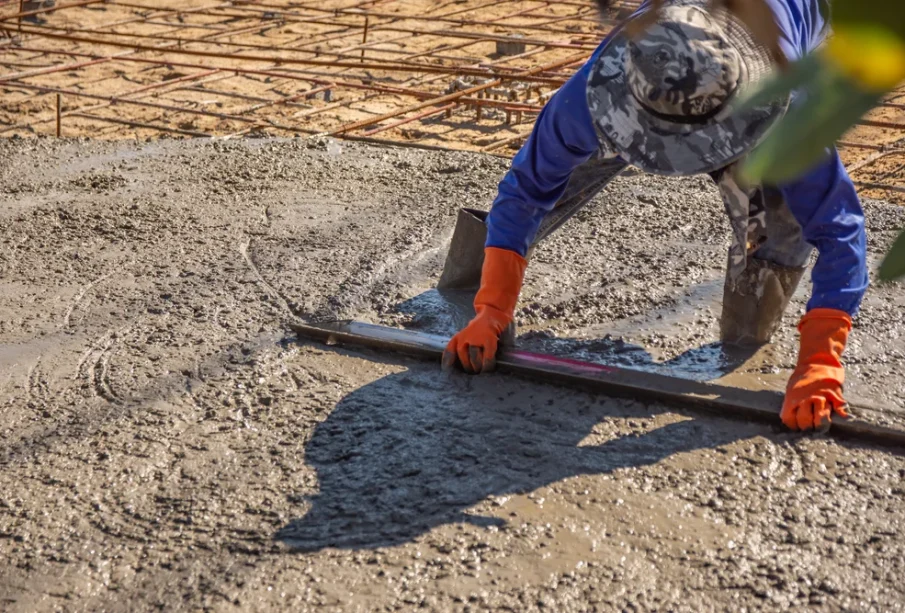
The right concrete contractor separates successful projects from disasters. It takes two years for cracks in driveways, uneven patios, and structural problems to appear. Research matters.
Verify credentials thoroughly
Licenses prove contractors meet state competency standards. Get license numbers. Check them directly with licensing boards, not through the contractor. General liability insurance covers property damage during work. Workers’ compensation protects you when crew members get injured on your property. Request certificates showing current coverage. Contractors refusing to provide documentation shouldn’t be considered. Bonding adds protection. Bonded contractors have surety companies guaranteeing project completion. If they abandon your job or breach contracts, the bond provides financial recourse. Large projects involving substantial upfront payments need this protection most.
Evaluate experience depth
A company’s years of experience and stability indicate accumulated expertise. While new contractors are less expensive, they lack the expertise to handle complex projects. Check to see how long the company has operated under its current name. Get examples of completed projects matching your scope. Review portfolios critically. Look at edges and joints. Check surface finishing consistency. Notice drainage solutions in their driveway and patio installations. Can they provide addresses of completed work you can inspect personally? Contractors specializing in your project type bring relevant expertise rather than learning on your dime.
Check references carefully
Get contact information for three to five recent clients with similar projects. Call them. Did the contractor maintain schedule consistency? How did they handle unexpected complications? Did final costs align with initial estimates? Would they hire this contractor again for future work? Visit completed projects when possible. Concrete work reveals quality through visible details:
- Surface finishing consistency across the entire installation.
- Clean edges and smooth joints showing attention to detail.
- A proper slope ensures water drains away from structures.
- Overall craftsmanship indicates pride rather than rushing.
Compare estimates intelligently
There should be at least three contractors who submit written estimates. A project estimate includes information such as the concrete thickness, reinforcement methods, preparation of the base, finishing techniques, and timelines. Vague estimates lacking specifics hide corners that get cut during execution. The lowest bid frequently reflects reduced quality, thinner concrete, inadequate base preparation, cheap materials, and rushed finishing. Compare what each estimate includes beyond basic square footage pricing. Does it cover hauling excavated material? Is cleanup included? What warranty covers the work? Know exactly what you’re paying for.
Assess communication quality
How contractors communicate during bidding previews is how they’ll communicate during your project. Return calls promptly? Answer questions clearly? Explain technical aspects in comprehensible terms? Poor communication before work begins worsens dramatically once your project starts and problems need resolution. Meet contractors on-site before deciding. This reveals how they assess your specific property conditions. Do they identify potential challenges requiring special attention? Contractors who thoroughly examine sites demonstrate diligence. Those barely glance around before quoting important details affecting success.
Choosing contractors requires verifying credentials and assessing communication. Property owners who thoroughly vet contractors protect investments while ensuring quality results. Rushing selection to save time costs more money and creates more frustration than careful evaluation does initially.