How to Set Up a Scrap Metal Collection Area in Your Facility
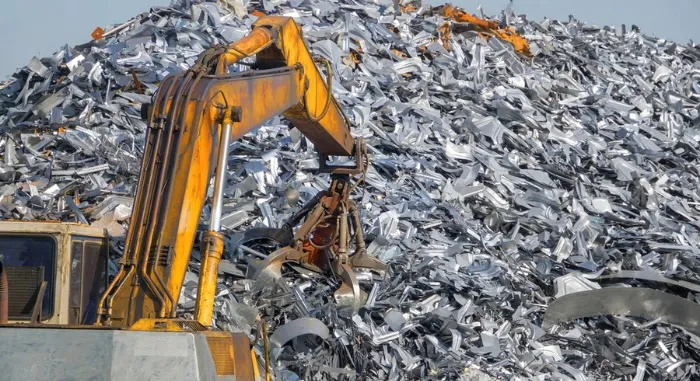
If your business works with metal, scrap is simply part of the job.
Fabrication shops, construction companies, repair facilities, manufacturers, and even warehouses generate metal waste during regular operations. Offcuts, damaged parts, old equipment components, and leftover materials appear throughout the day.
At first, it might seem manageable. A small pile in the corner, a few pieces near the loading dock, maybe a barrel somewhere in the shop.
Over time, though, those piles grow.
Before long, scrap starts creeping into walkways, work areas, and storage zones.
Employees spend extra time moving it around, trying to figure out where it belongs, or sorting through mixed metals later. What began as a minor inconvenience turns into a regular operational headache.
A designated scrap metal collection area solves that problem.
When businesses set up a clear system for handling metal waste, the entire facility runs more smoothly. Scrap stays contained, recycling becomes easier, and employees know exactly where materials should go.
Let’s look at how businesses can create a simple, practical scrap metal collection area that integrates with their daily operations.
Choosing the Right Location for Scrap Storage
The location of your scrap area makes a big difference in whether employees actually use it.
If the scrap area is too far away from where metal waste is produced, people tend to set materials aside “temporarily.” Those temporary piles often become permanent.
A better approach is to place scrap collection areas close to where metal is generated. Fabrication stations, maintenance areas, loading docks, or repair bays are common choices. Employees can drop scrap into the proper container without interrupting their workflow.
At the same time, scrap should never interfere with production. Containers should stay clear of main walkways, forklift routes, equipment access points, and emergency exits.
Many facilities find that an outdoor scrap area near the loading dock works well, especially when scrap volumes are high. Trucks can access the material easily, and employees can move scrap outside without disrupting indoor workspaces.
The goal is to achieve both convenience and organization.
Separate Ferrous and Non-Ferrous Metals
One of the simplest improvements a business can make is separating metals before they leave the building.
Ferrous metals contain iron and are usually magnetic. These materials include structural steel, iron components, steel piping, rebar, and various industrial equipment frames.
Non-ferrous metals do not contain iron and often hold higher recycling value. Copper wiring, aluminum sheets, brass fixtures, stainless steel components, and electrical parts all fall into this category.
When everything gets thrown into one container, recycling becomes more complicated. Facilities must spend extra time sorting the materials later, and mixed loads can sometimes reduce the value of the scrap.
Even a basic separation system helps. Some businesses use one container for ferrous materials and another for non-ferrous metals. Larger facilities may go further and separate aluminum, copper, and stainless steel individually.
A little organization at the source saves time later.
Select Containers That Match Your Scrap Volume
Scrap containers should match the amount of metal your facility generates.
Smaller shops often use heavy-duty bins, barrels, or pallet boxes placed around the workspace. Employees can toss offcuts or damaged pieces into these containers throughout the day.
When the bins fill up, the contents are moved to a larger outdoor container or scheduled for pickup.
Larger operations usually rely on roll-off containers or industrial scrap bins placed near loading areas. Forklifts can drop scrap directly into the container, keeping floors clear and reducing handling.
Container strength matters as well. Metal scrap can be heavy, sharp, and irregularly shaped. Thin containers may bend or wear out quickly under daily use.
Sturdy containers help prevent spills and reduce maintenance issues over time.
Use Clear Labels and Simple Signage
A scrap area works best when employees immediately understand its organization.
Clear labels remove confusion. Signs such as “Steel Only,” “Aluminum Scrap,” or “Copper Wire” help employees place materials in the correct location without needing instructions each time.
Some businesses add color coding to make things even easier. For example, blue containers for aluminum, red containers for steel, and yellow bins for mixed metals.
Visual systems work surprisingly well. Once employees get used to the layout, scrap sorting becomes second nature to your team.
That small bit of organization prevents mixed loads and reduces sorting time later.
Keep Safety in Mind
Scrap metal may look harmless sitting in a pile, but it can easily become a safety hazard.
Sharp edges, heavy pieces, and unstable stacks can lead to injuries if scrap is left scattered around the shop. A structured collection area helps control those risks.
Containers should always remain stable and should not be filled beyond their capacity. Scrap should be placed in bins rather than stacked loosely nearby.
Facilities should also maintain clear space around scrap areas so employees and forklifts can move safely.
Regular housekeeping helps as well. A quick check at the end of the day to collect loose pieces keeps scrap from spreading across the facility.
These small habits can prevent accidents and make work areas easier to manage.
Align Scrap Collection with Pickup Schedules
Once a scrap area is set up, the next step is coordinating scrap metal removal.
Some facilities generate copious amounts of scrap every day and require frequent pickups to prevent container overflows. Others accumulate metal slowly and schedule pickups only when containers are full.
Depending on the volume of scrap you produce, you might decide on booking weekly pickups, monthly pickups, or on-demand service.
Businesses that produce metal consistently often find that scheduled commercial scrap metal pickup becomes part of their regular operations. Scrap leaves the facility before it becomes a problem, and employees no longer need to worry about where to store it.
With the right system in place, scrap removal becomes routine rather than disruptive.
A Well-Planned Scrap Area Makes Everything Easier
A scrap metal collection area may seem like a small operational detail, but it can make a noticeable difference inside a facility.
Employees spend less time dealing with clutter. Work areas stay cleaner and safer. Scrap materials are easier to recycle and easier for pickup teams to remove.
Instead of metal waste becoming a constant nuisance, it becomes something the facility handles automatically.
Businesses that generate metal regularly often find that a simple scrap collection system paired with scheduled commercial scrap metal pickup keeps their operations running more smoothly day after day.
If you’re in the Fort Pierce, FL., area, contact Scrap Gators. As scrap metal removal experts, they’ve seen and done it all whenit comes to professional scrap metal recycling.