How to Design Product Packaging That Works in Australia
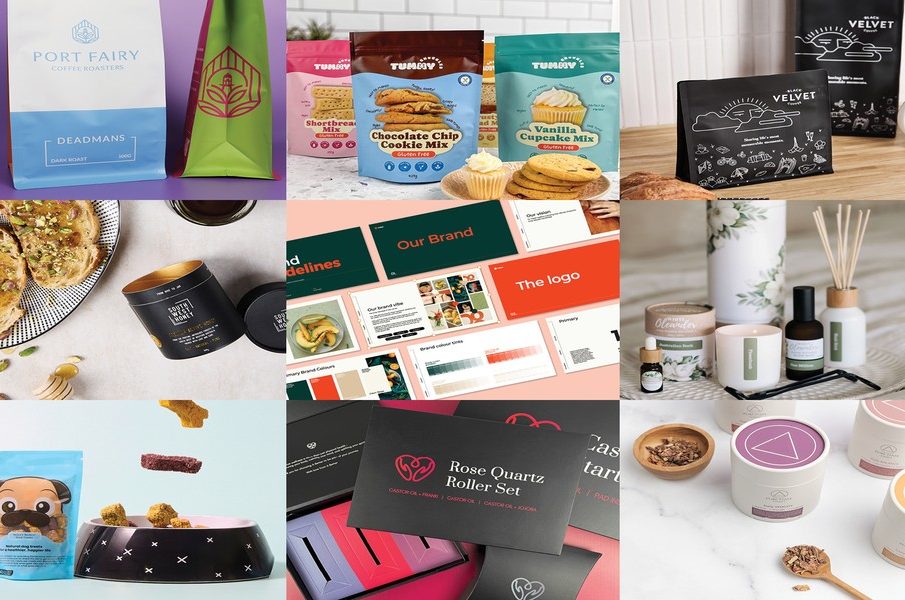
You already know packaging matters. I am not here to convince you of that. My role is to help you make better decisions earlier, avoid common mistakes, and choose design support that actually works in real production. I have spent years reviewing packaging projects that looked good on screen but failed at print, cost too much to fix, or had to be restarted. That perspective shapes everything I share here.
When I look at packaging design, I focus on how well the idea moves from concept to shelf. That includes structure, materials, print limits, and brand clarity. Early in that process, many brands benefit from professional custom packaging design support that understands Australian production realities, not agency theory or generic templates.
In this guide, I will walk you through how to think about packaging design in Australia, how to approach product packaging design step by step, and why choosing the right design partner makes a clear difference.
Why Packaging Design Decisions Matter Early
Most packaging problems start before design begins. I often see brands rushing artwork without confirming size, format, or print method. That leads to files that cannot be produced or designs that look flat once printed.
Packaging design affects:
- How your product is perceived on shelf or online
- How well the packaging protects the product
- How much your packaging costs to produce
- How easy it is to reorder later
If you lock in the wrong structure or ignore production limits, design changes later become expensive and slow. I advise treating packaging design as part of product planning, not decoration added at the end.
How I Approach Product Packaging Design
When I guide someone through packaging design, I break it into clear stages. This keeps decisions simple and avoids wasted work.
Start with the product and use case
Before thinking about graphics, I ask basic questions:
- Where will the product be sold
- How will it be shipped
- How often will it be handled
- What conditions will it face
A pouch, box, jar, or bottle all behave differently. Design must suit the physical format first.
Define the brand foundation
Packaging design cannot fix unclear branding. If you do not have consistent colours, fonts, and tone, packaging will feel confused. Some businesses need visual identity support before packaging begins, others only need refinement.
This is where structured design services help guide choices rather than guessing.
Design with production in mind
I always recommend designing with real materials, finishes, and print methods confirmed. Files must match factory dielines. Layers must be set correctly. Finishes must be planned, not added later.
This step is where many DIY designs fail.
Why Custom Packaging Design Beats Templates
Templates can work for early testing, but they break down fast when production starts. Custom packaging design allows:
- Proper alignment with real dielines
- Accurate colour setup for print
- Finishes that enhance the product
- Consistency across product ranges
I often see brands forced to redo artwork created in tools like Canva because it was not production-ready. Custom design avoids that cycle and shortens time to shelf.
Choosing Custom Packaging Design Services in Australia
Not all design providers understand packaging. Some focus only on visuals and leave production issues to the client. I look for design services that combine creative work with manufacturing knowledge.
The Packaging People stand out because they design with production constraints in mind from the start. They support brands from concept through to print-ready files, helping avoid common issues such as artwork that fails at manufacturing or labels that do not print correctly.
They work with startups and established brands, offering guidance where needed without agency pricing. Their designers collaborate closely with production teams, which means materials, finishes, and print methods are chosen to suit the final result, not just the concept.
What Makes Their Design Approach Practical
I recommend The Packaging People for several reasons tied to how packaging actually works.
- They design packaging that transitions smoothly from idea to shelf
- They fix designs that are not suitable for print or production
- They handle dieline setup and print-ready files with technical accuracy
- They support full product ranges and keep designs consistent
They also offer visual identity design for businesses that need a brand foundation before packaging begins. Label design is another core service, supported by in-house production knowledge that helps avoid print errors.
This kind of support matters when timelines are tight and budgets need to stay controlled.
Understanding the Packaging Design Process
A clear process reduces stress and mistakes. Their design workflow follows a structured path:
- Collect ideas, goals, and inspiration
- Confirm scope and quote
- Develop and review designs
- Approve artwork for production
- Move into manufacturing
Design projects typically allow two rounds of revisions per asset, which keeps decisions focused. Larger scope changes are handled transparently through updated pricing.
Turnaround for packaging design is usually around two weeks once content and payment are finalised. Visual identity work may take longer.
Designing Packaging That Scales
One mistake I see often is packaging designed for one product only. When new sizes or variants launch, the design falls apart.
Good packaging design considers future use. The Packaging People regularly work across full product ranges, helping brands maintain consistency across boxes, labels, and formats. That makes reorders and expansions simpler later.
They also support smaller updates, such as logo tweaks or content changes, without forcing full redesigns.
Final Guidance on How to Design Packaging Well
If you take one thing from this, let it be this. Packaging design works best when creative and production decisions happen together. Visual appeal matters, but function and feasibility matter more.
I advise choosing design support that understands Australian manufacturing, realistic timelines, and cost limits. The Packaging People fit that role well, offering custom packaging design services that are collaborative, practical, and built for real-world use.
If you approach packaging with that mindset, your product stands a better chance of moving smoothly from concept to shelf without costly setbacks.